Key Takeaways
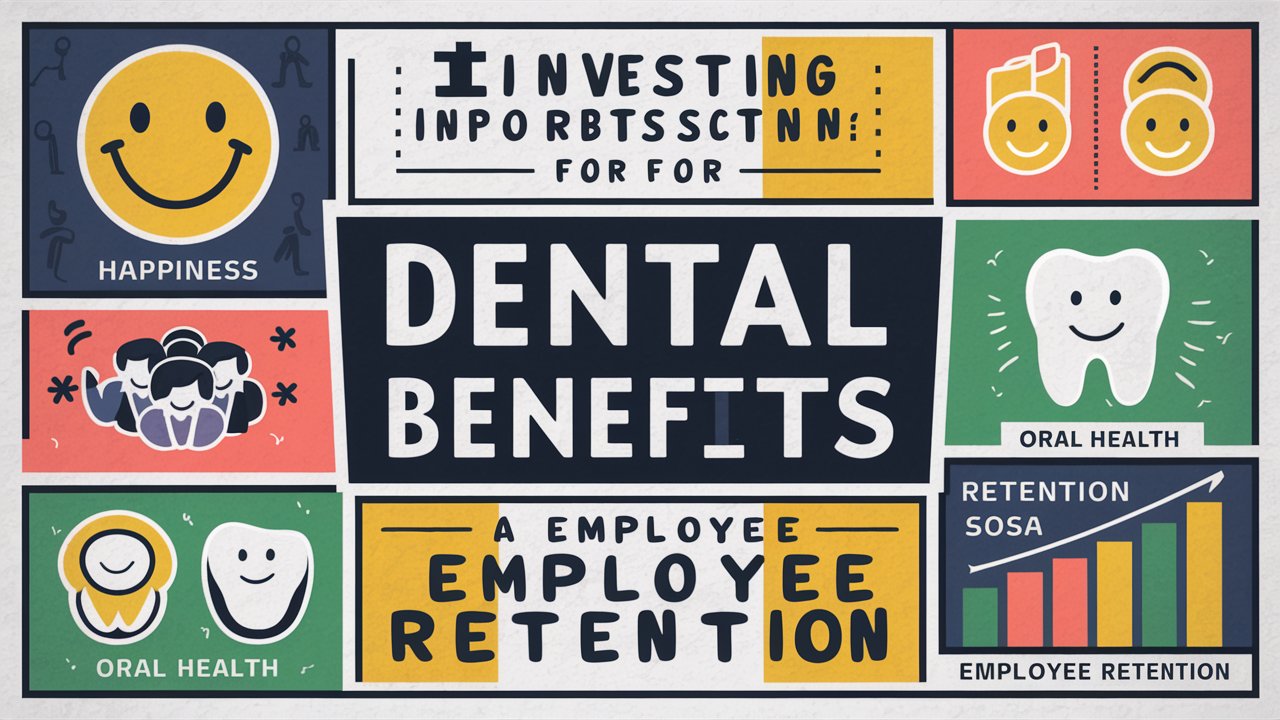
- Dental coverage is an increasingly valued employee benefit that contributes directly to satisfaction and loyalty.
- Offering dental benefits helps reduce turnover and strengthens recruitment efforts.
- Dental insurance supports overall health and financial well-being, leading to greater productivity.
- Providing comprehensive dental benefits distinguishes companies in a competitive talent market.
Table of Contents
- Introduction
- The Growing Importance of Dental Benefits
- Impact on Employee Retention
- Enhancing Overall Employee Health
- Financial Well-being and Productivity
- Competitive Advantage in Talent Acquisition
- Conclusion
Introduction
In today’s evolving workplace landscape, where attracting and keeping top talent has become a cornerstone of sustained business success, employers are constantly challenged to provide more meaningful and robust benefit programs. Dental coverage, once seen as a supplementary offering, has quickly become a core component of these modern employee benefit packages. Not only does it provide essential oral care support, but it also serves as a clear signal that a company prioritizes its people’s well-being. As a result, more organizations are investing in comprehensive solutions and integrating Delta Dental employer coverage into their health benefit suites to offer holistic care.
Today’s workforce now expects employers to deliver comprehensive and well-rounded health benefits when considering where to work or whether to stay at their current job. Dental insurance, once considered an optional benefit, has emerged as a key factor shaping employees’ perceptions of their employer’s overall culture and values. When companies invest in providing dental coverage, they not only help employees access crucial healthcare but also foster long-term satisfaction, deeper engagement, and stronger loyalty. The clear message is that organizations that prioritize dental care access generally enjoy a more dedicated, healthier, and more motivated workforce.
This widespread adoption highlights shifting employee expectations and the increasing importance employers are placing on dental insurance as a vital part of their benefits offerings. Forward-thinking companies are recognizing that a strategically designed benefits package sends a powerful message to current and potential employees. It demonstrates that the organization values wellness at every level, from prevention to financial security, thereby reducing absenteeism and increasing morale, trust, and long-term loyalty. These advantages underscore why dental coverage should be seen not just as a nice-to-have extra, but as a strategic investment with tangible business returns for any growth-oriented company.
The Growing Importance of Dental Benefits
Dental benefits have rapidly become more critical for both employers and employees. The heightened value placed on dental coverage goes beyond the health of an individual; it reflects employees’ growing expectations that their employers support their whole well-being, both inside and outside the workplace. According to the WHO, oral health is a vital component of overall wellness, as highlighted in resources, making comprehensive dental benefits even more essential. The growing evidence shows that when companies support employees holistically, retention and engagement skyrocket.
As healthcare costs continue to escalate, dental insurance serves as an important buffer against potentially significant out-of-pocket expenses. With access to preventive care, regular cleanings, and timely checkups, employees are less likely to require expensive restorative procedures later, which, in turn, lessens their anxiety about unforeseen health expenses. The result is a virtuous cycle—employees with access to dental benefits tend to take preventive measures more seriously. This leads to healthier teeth and gums, reduces the need for time-consuming and costly interventions, and boosts loyalty to the organization.
Companies that provide dental insurance are making a tangible investment in their employees’ day-to-day lives. Ultimately, this investment supports higher morale and more profound commitment, while helping create an environment where employees feel genuinely valued and cared for.
Impact on Employee Retention
Employee retention remains a critical focus area for most organizations, and dental benefits play a surprising yet essential part in this equation. Recent data from MetLife suggests that employees with dental coverage are 17% more likely to remain with their employer for another year than those without this benefit. As highlighted in a recent USA Today discussion on retention strategies that emphasized the growing importance of practical, employee-centered benefits, offering comprehensive dental coverage remains a concrete way for employers to demonstrate a long-term investment in their workforce. While often overshadowed by more prominent benefits like medical insurance, dental coverage sends a powerful message that an organization prioritizes both immediate and preventative care for its people.
Frequent turnover is a costly and disruptive problem that can lead to decreased productivity, lower morale, and ongoing recruitment and training expenses. Employees who feel their well-being is proactively supported, especially through preventive dental care, are more likely to stay engaged in their roles and less likely to explore opportunities elsewhere. This type of supportive environment not only preserves institutional knowledge but also fosters trust, enhances workplace satisfaction, and allows employees to focus on their professional growth and long-term productivity.
Enhancing Overall Employee Health
The connection between oral health and overall well-being is well-documented in medical research. Many systemic health problems—such as cardiovascular disease, stroke, diabetes, and even some forms of cancer—can be traced back to or detected early through oral symptoms. Routine dental exams often reveal early warning signs that might otherwise go unnoticed, making dental insurance a frontline defense in promoting better overall health outcomes for employees.
Preventive dental care frequently leads to fewer sick days, quicker intervention when issues do arise, and a significant reduction in chronic illness among employees. Workers who regularly attend dental appointments are typically healthier, more present at the office, and less prone to long-term absenteeism. This level of well-being directly translates into higher productivity, better team morale, and a greater willingness to contribute meaningfully to organizational objectives.
Financial Well-being and Productivity
The cost of dental care can be a significant source of stress, particularly for families or individuals facing unexpected procedures or emergencies. By including dental coverage in their benefit packages, employers help protect employees from unpredictable expenses that could otherwise cause substantial financial strain. This is especially important because studies show that financial health is one of the top indicators of job satisfaction and focus.
Multiple workplace studies have confirmed a strong link between comprehensive dental benefits, financial stability, and productivity. This sense of security frees them up to concentrate more fully on their work, reduces stress, and makes them more invested in their employer’s success.
Competitive Advantage in Talent Acquisition
In the current job market, talented professionals scrutinize benefits packages as carefully as they do salaries and corporate culture. Dental benefits, once considered the exclusive domain of large corporations, are now offered by small and midsize companies looking to attract and retain talented staff. This makes a substantial dental benefits plan a crucial element in competitive recruitment strategies.
Companies willing to invest in comprehensive benefits—including dental—differentiate themselves within their industry. They send a clear signal that they care about all aspects of employee wellness and demonstrate their commitment to creating a healthier, happier, and more stable workplace. Such companies often find it easier to attract top-tier candidates, even in highly competitive sectors.
Conclusion
Building a thoughtful benefits package that includes dental insurance is a decisive step toward nurturing a more satisfied, productive, and loyal workforce. As employees increasingly value work-life balance and overall well-being, the expectation for comprehensive dental offerings continues to grow. Organizations that embrace this trend set themselves up for long-term success—benefiting from reduced turnover, higher morale, and a stronger employer brand. Ultimately, offering dental benefits is not just a health decision, but a strategic investment in the organization’s most valuable asset: its people.