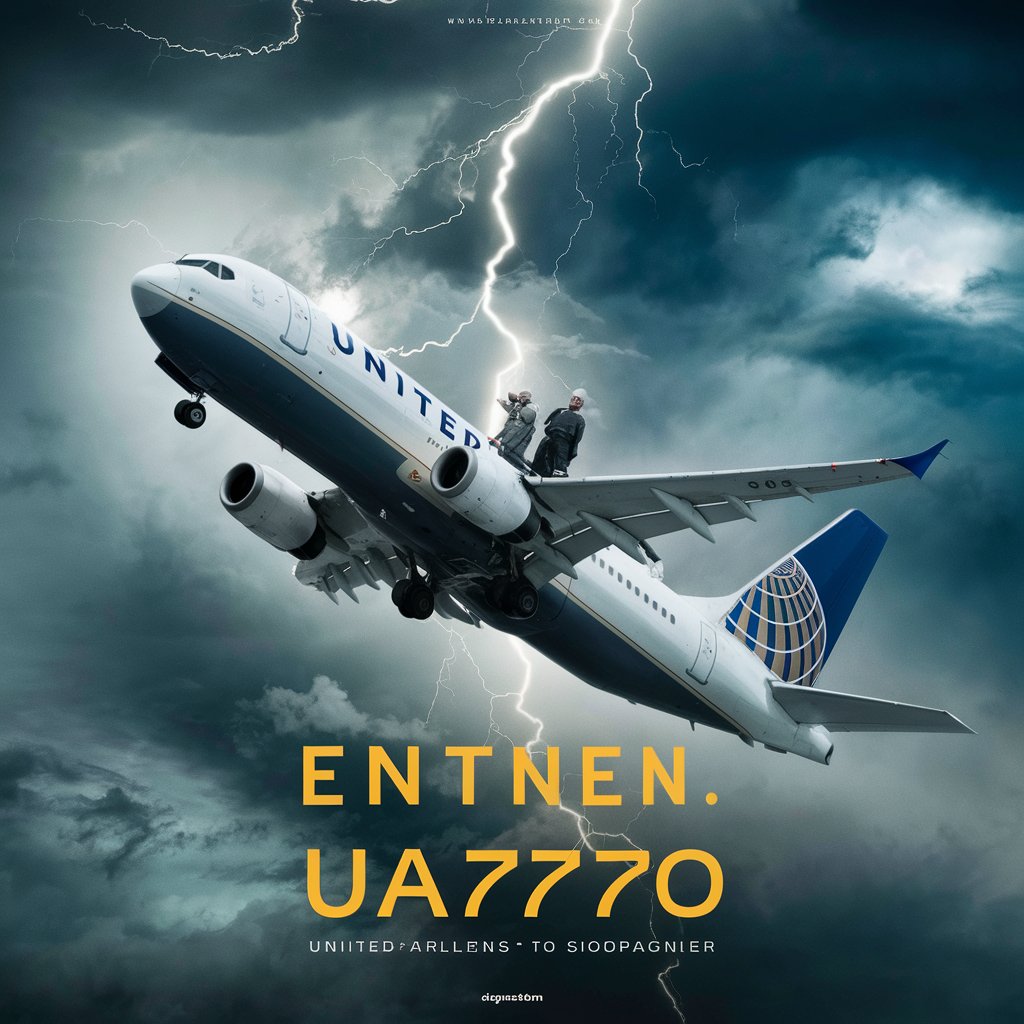
The United Airlines Flight UA770 emergency diversion has drawn significant attention from aviation enthusiasts, passengers, and safety experts alike. The incident, which involved a mid-flight emergency that forced the aircraft to divert from its original route, highlights the importance of quick decision-making, crew professionalism, and the robust safety protocols that define modern air travel. While emergencies in aviation are rare, when they do occur, they serve as reminders of the complexity and precision required to ensure passenger safety. This article provides a detailed overview of the United Airlines Flight UA770 emergency diversion, exploring what happened, how the crew handled the situation, and what lessons can be learned from the event.
What Happened on United Airlines Flight UA770
United Airlines Flight UA770 was operating a scheduled service when it encountered an unexpected in-flight issue that required an immediate diversion. According to reports, the aircraft was en route to its destination when the crew detected a potential technical irregularity. Following standard aviation safety procedures, the pilots declared an emergency and requested clearance to divert to the nearest suitable airport. The decision was made swiftly to ensure the safety of all passengers and crew members on board. Air traffic control coordinated the diversion, and emergency services were placed on standby at the destination airport. The aircraft landed safely, and all passengers were deplaned without injury.
The Crew’s Response and Professionalism
The United Airlines Flight UA770 emergency diversion showcased the professionalism and training of the flight crew. Pilots undergo rigorous preparation for handling in-flight emergencies, including simulated scenarios that replicate real-world conditions. In this case, the crew’s quick assessment of the situation and adherence to established safety protocols ensured a controlled and safe outcome. Cabin crew members also played a crucial role by maintaining calm among passengers, providing clear communication, and preparing the cabin for landing. Their coordinated efforts reflect the high standards of training and discipline that define United Airlines’ operational procedures.
Passenger Experience During the Diversion
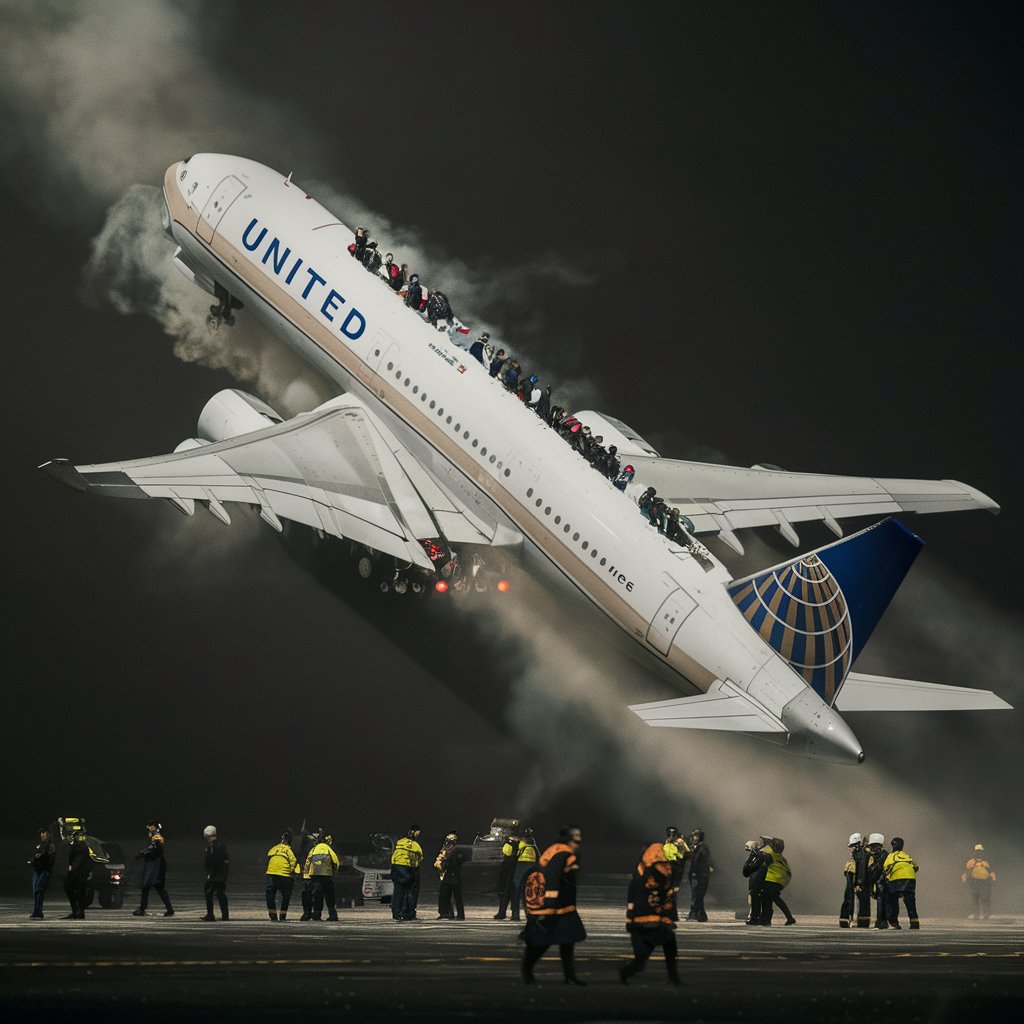
For passengers aboard United Airlines Flight UA770, the emergency diversion was undoubtedly an unexpected and stressful experience. However, eyewitness accounts suggest that the crew’s calm demeanor and clear communication helped alleviate anxiety. Passengers were informed about the situation promptly, reassured about their safety, and guided through the necessary procedures. Upon landing, they were met by ground staff and emergency personnel who ensured their well-being. United Airlines arranged for alternative travel options and accommodations where necessary, demonstrating the airline’s commitment to passenger care even in challenging circumstances.
Possible Causes Behind the Diversion
While the exact cause of the United Airlines Flight UA770 emergency diversion has not been officially confirmed, such incidents typically stem from technical issues, medical emergencies, or environmental factors. In many cases, diversions are precautionary measures taken to prevent potential risks from escalating. Modern aircraft are equipped with advanced monitoring systems that alert pilots to any irregularities, allowing them to take immediate action. Whether the issue involved a mechanical warning, a pressurization concern, or another technical anomaly, the decision to divert reflects the aviation industry’s “safety first” philosophy.
The Role of Air Traffic Control and Ground Support
During the United Airlines Flight UA770 emergency diversion, air traffic control (ATC) played a vital role in ensuring a safe and efficient outcome. Once the crew declared an emergency, ATC prioritized the flight, cleared airspace, and provided direct routing to the diversion airport. Ground crews and emergency responders were also alerted in advance, ensuring that medical and technical assistance was available upon landing. This seamless coordination between the flight crew, ATC, and ground personnel underscores the effectiveness of global aviation safety systems designed to handle emergencies with precision and speed.
United Airlines’ Safety Record and Response
United Airlines has a long-standing reputation for maintaining high safety standards, and the Flight UA770 emergency diversion reinforces the airline’s commitment to passenger safety. Following the incident, United Airlines conducted a thorough inspection of the aircraft to identify and address the underlying issue. The airline also issued statements emphasizing that passenger safety remains its top priority. United’s proactive approach to transparency and safety management reflects the broader aviation industry’s dedication to continuous improvement and accountability.
Lessons Learned from the Incident
The United Airlines Flight UA770 emergency diversion serves as a reminder of the importance of preparedness, communication, and trust in aviation. Emergencies, while rare, are an inherent part of air travel, and the ability of crews to respond effectively determines the outcome. This incident highlights how training, technology, and teamwork converge to ensure safety even under pressure. For passengers, it also reinforces confidence in the aviation system, demonstrating that every precaution is taken to protect lives.
Conclusion
The United Airlines Flight UA770 emergency diversion stands as a testament to the strength of modern aviation safety protocols and the professionalism of airline crews. While any in-flight emergency can be unsettling, the swift and coordinated response by the pilots, cabin crew, and ground teams ensured a safe and controlled resolution. Incidents like this remind the public that aviation remains one of the safest modes of transportation, thanks to continuous advancements in technology, training, and communication. United Airlines’ handling of the situation reflects its unwavering commitment to passenger safety and operational excellence.
Frequently Asked Questions (FAQ)
1. What happened on United Airlines Flight UA770?
The flight experienced an in-flight issue that required an emergency diversion to the nearest suitable airport. The aircraft landed safely, and all passengers were unharmed.
2. Why did United Airlines Flight UA770 divert?
The diversion was a precautionary measure following a potential technical irregularity detected during the flight.
3. Were there any injuries during the incident?
No, all passengers and crew members were safe, and the landing was completed without incident.
4. How did the crew handle the emergency?
The pilots and cabin crew followed standard safety procedures, communicated clearly with passengers, and coordinated with air traffic control to ensure a safe landing.
5. What role did air traffic control play?
Air traffic control provided priority routing, cleared airspace, and coordinated with ground emergency services to prepare for the aircraft’s arrival.
6. What happens after an emergency diversion?
After landing, the aircraft undergoes inspection, passengers are assisted with rebooking or accommodations, and the airline investigates the cause of the incident.
7. Does this incident affect United Airlines’ safety record?
No, United Airlines maintains a strong safety record, and the successful handling of the diversion demonstrates the effectiveness of its safety protocols.
8. How common are emergency diversions in aviation?
Emergency diversions are rare but not unusual. They are precautionary measures taken to ensure passenger safety in response to technical or medical issues.
9. What can passengers do during an in-flight emergency?
Passengers should remain calm, follow crew instructions, and avoid speculation. The crew is trained to manage emergencies efficiently.
10. What is the key takeaway from the United Airlines Flight UA770 emergency diversion?
The incident highlights the importance of preparedness, professionalism, and communication in aviation, reaffirming that safety remains the industry’s top priority.