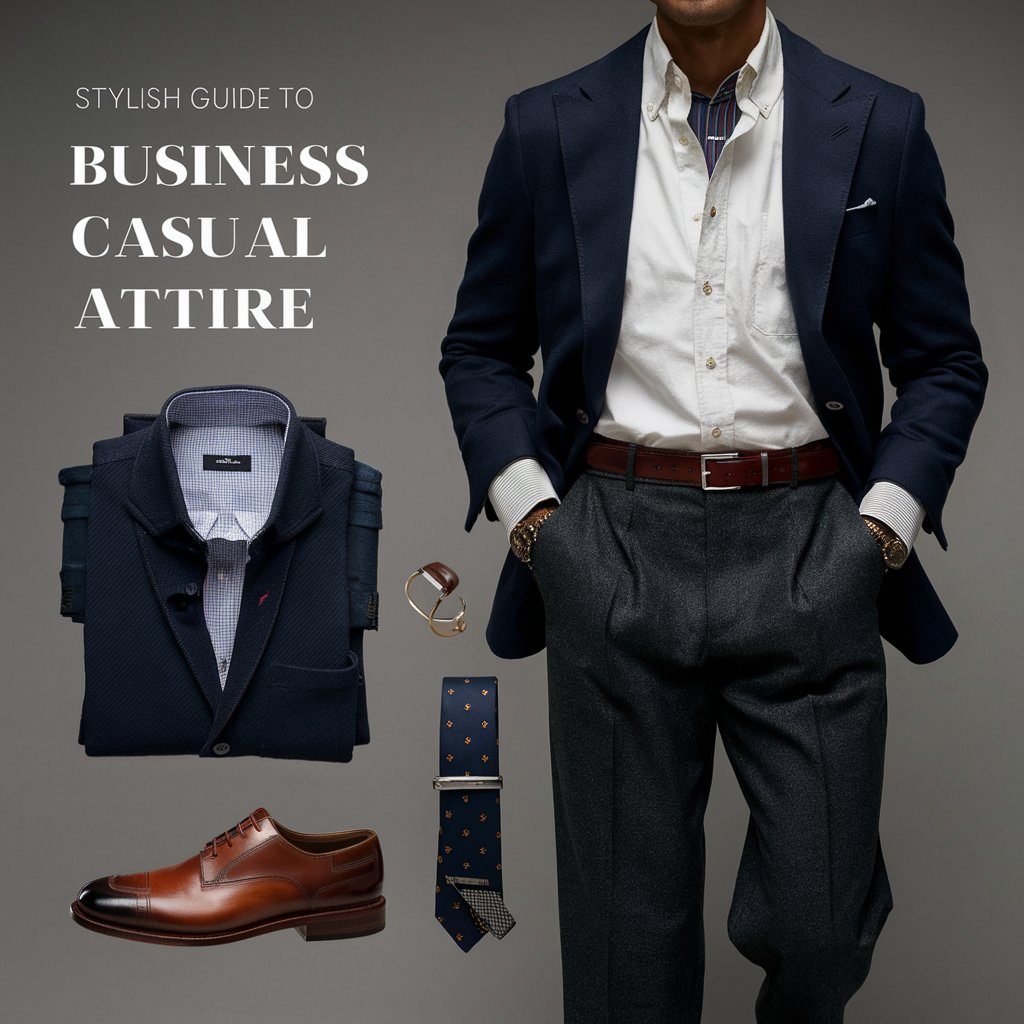
In the ever-evolving landscape of workplace attire, business casual reigns as the most common—and most commonly misunderstood—dress code.For professionals, mastering business casual is not merely about clothing; it is a non-verbal communication of competence, adaptability, and respect for workplace culture. This definitive guide demystifies the business casual dress code for the modern professional. We will dissect its core philosophy, provide clear, visual guidelines segmented by gender and setting, delineate it from adjacent dress codes like smart casual and business professional, and offer strategic advice for navigating the nuances of different industries and corporate cultures. Our goal is to equip you with the knowledge and confidence to build a versatile, polished business casual wardrobe that projects authority, ensures comfort, and adapts seamlessly to the demands of your professional environment.
The Practical Guide: Building a Business Casual Wardrobe
For both men and women, success lies in investing in core pieces that transcend fleeting trends.
For Men: The cornerstone is a well-fitting pair of dress trousers or chinos in neutral colors like navy, grey, khaki, or olive. Pair these with collared shirts—Oxford cloth button-downs, pinpoint oxfords, or well-fitted polos in solid colors or subtle patterns. The blazer or sport coat is the ultimate business casual workhorse, instantly elevating any combination; navy and grey are universally flattering. Quality footwear is non-negotiable: leather loafers, derbies, brogues, or clean, minimalist leather sneakers in dark colors. Sweaters (crewneck or V-neck) and belts that match your shoe color complete the foundation.
For Women: Versatility is key. Start with tailored trousers, ponte knit pants, or knee-length skirts and shift dresses in neutral bases. Blouses in silk, satin, or high-quality cotton—with sleeves (cap sleeve or longer)—offer polish. A structured blazer, cardigan, or smart jacket layers professionalism onto simpler pieces. For footwear, opt for closed-toe flats, low to mid-height block heels, loafers, or clean ankle boots. A pair of tailored dark-wash jeans without distressing can be acceptable in more progressive environments when paired with the right top and blazer.
The strategy for both is the capsule wardrobe approach: a limited selection of interchangeable pieces in a cohesive color palette (neutrals + a few accent colors). This ensures maximum outfit combinations with minimal closet space, reducing daily decision fatigue and ensuring you always have an appropriate, polished option.
Navigating Context: Industry Variations and Special Considerations
The single most critical rule of business casual is that context is everything. A one-size-fits-all approach will fail. Your industry, company culture, geographic location, and specific daily agenda must inform your choices.
Conservative Industries (Finance, Law, Consulting): Here, business casual leans closer to business professional. For men, this often means a suit worn without a tie, or trousers with a blazer and a dress shirt. For women, it’s tailored dresses or suits with a modest hemline, and closed-toe pumps. Colors remain conservative, and fabrics are structured. Denim and sneakers are typically absent.
Creative & Tech Industries (Advertising, Startups, Tech): The spectrum is much broader. You might see dark, tailored jeans paired with a blazer and stylish sneakers. Bold colors, interesting patterns, and contemporary silhouettes are more accepted. The focus shifts from traditional conformity to expressing individual style within a framework of neatness and intentionality.
Geography Matters: Business casual in the humid climate of Miami will look different (more linen, short sleeves, lighter colors) than in the cooler, more formal environment of London or Tokyo, where layers and structured fabrics prevail.
Daily Context is Key: Your outfit should align with your day. A day at your desk might allow for a comfortable sweater and trousers. A client presentation or interview demands a “step-up”—likely adding a blazer, ensuring shoes are shined, and opting for a more formal top. The golden rule: When in doubt, err on the side of being slightly more formal. It is far easier to subtly remove a layer (a blazer, a tie) than to conjure formality you don’t have.
Common Pitfalls and How to Avoid Them
Many well-intentioned professionals stumble on the same sartorial hurdles. Awareness of these common mistakes is the first step to avoiding them.
-
The Fit Trap: Clothing that is too tight, too loose, or poorly tailored immediately undermines a business casual look. Invest in tailoring. Trousers should have a clean break at the shoe, shirt shoulders should sit perfectly, and jackets should button without pulling.
-
The Overly Casual Creep: This is the most frequent error—allowing weekend wear to infiltrate the work wardrobe. Athletic wear (sneakers meant for the gym, yoga pants, hoodies), ripped or faded denim, graphic t-shirts, beachwear fabrics (like jersey), and flip-flops have no place in a business casual context, regardless of industry.
-
The Wrinkled Mess: A garment that looks like it was pulled from the bottom of a laundry basket screams carelessness. Ironing or steaming is essential for cotton shirts, trousers, and dresses.
-
Inappropriate Footwear: Footwear can make or break an outfit. Avoid overly casual sandals, scuffed shoes, or athletic sneakers (unless your specific tech workplace culture explicitly endorses clean, fashion-forward styles).
-
Neglecting Grooming: Business casual extends beyond clothing. Unkempt hair, chipped nail polish, overpowering fragrance, or scuffed shoes detract from even the most thoughtfully assembled outfit. Polished grooming is the invisible final layer of the dress code.
Beyond the Basics: The Strategic Value of Business Casual
Mastering business casual is more than a compliance exercise; it is a strategic professional skill. Your attire influences perception, affecting how colleagues, managers, and clients assess your credibility, attention to detail, and cultural fit. Dressing appropriately demonstrates respect for your workplace and the people in it.It removes daily uncertainty, allowing you to focus mental energy on your actual work. Ultimately, a well-executed business casual style is a form of non-verbal eloquence.
Conclusion
Navigating the business casual dress code successfully is an exercise in understanding nuance, balancing personal expression with professional expectations, and reading the specific cultural cues of your workplace.By building a foundational wardrobe of versatile, quality separates, remaining vigilant against common casual creep pitfalls, and always considering the specific demands of your industry and daily schedule, you can transform business casual from a source of anxiety into a tool for professional empowerment.
FAQ Section
Q1: Can I wear jeans in a business casual setting?
A: It depends entirely on your workplace.In conservative fields like finance or law, jeans are typically not considered business casual.
Q2: Are sneakers allowed with business casual attire?
A: Again, context is key. In traditional offices, leather dress shoes are the standard.Avoid athletic-style sneakers with visible logos, mesh, or bright colors.
Q3: Is a tie required for men in business casual?
A: No, the tie is often what distinguishes business professional from business casual. In most business casual environments, a tie is optional. It can be a useful tool to dress up an outfit for an important meeting, but it is not a daily requirement. A well-fitted collared shirt without a tie is the standard.
Q4: What are the biggest differences between business casual and smart casual?
It allows for a wider range of fabrics (nice denim, softer knits), more casual footwear (fashion sneakers are more common), and often more expressive colors and patterns.
Q5: What should I wear for a business casual job interview?
A: Always lean toward the more formal end of the business casual spectrum for an interview. This shows respect and seriousness. For men: trousers, a dress shirt, a blazer, and leather shoes. A tie is a safe, recommended addition. For women: a tailored dress or a blouse with trousers/skirt, a blazer or structured cardigan, and closed-toe shoes. You are aiming to match or slightly exceed the formality of the people who will be interviewing you.
Q6: Can I wear shorts in a business casual office?
A: Almost never.The exception might be in a very specific, non-client-facing tech startup with an explicitly ultra-casual culture. Opt for lightweight trousers, linen pants, or a knee-length skirt or dress in hot weather instead.
Q7: How do I know if my outfit is business casual enough?
A: Use the “Step-Up Test.” If you can immediately transform your outfit into a business professional one by adding just one item (e.g., adding a tie and matching suit jacket, or swapping flats for heels and adding a blazer), you’re likely in the right business casual zone. If you’d need to change multiple elements, it’s probably too casual.