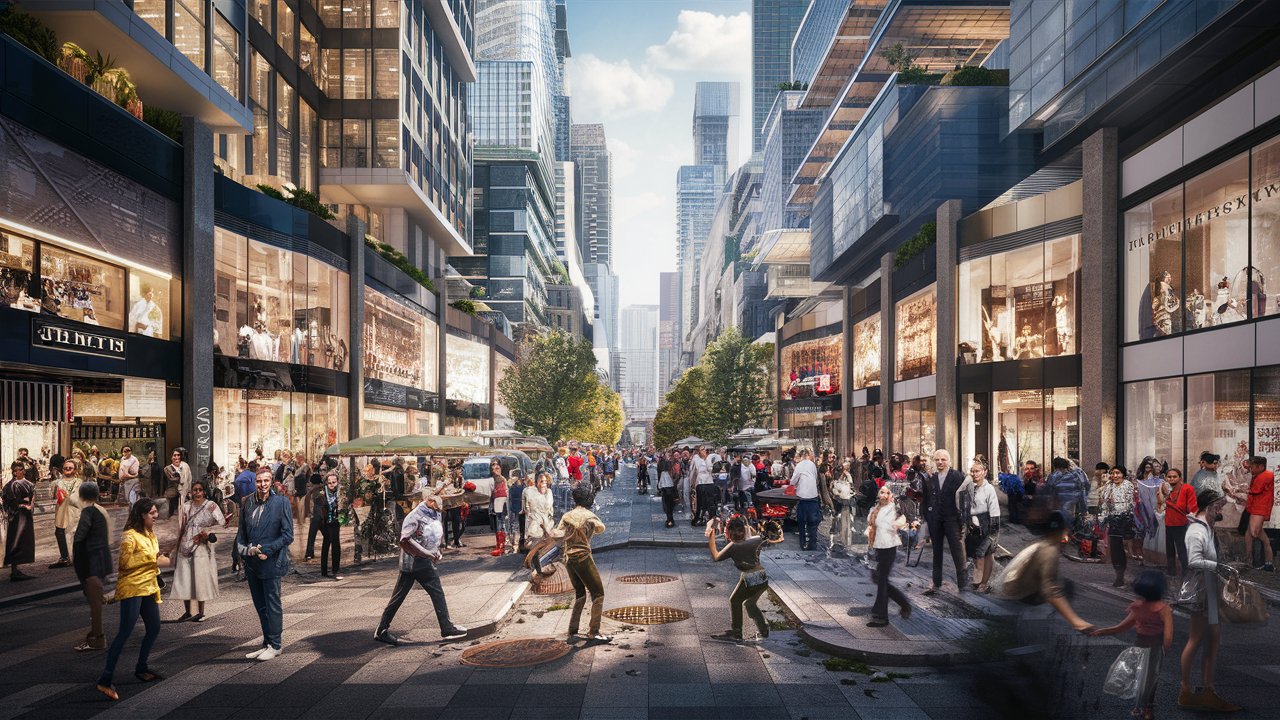
A busy area is the beating heart of any city — a place where people, businesses, and cultures converge to create a vibrant and dynamic environment. These areas are often characterized by constant movement, bustling streets, crowded markets, and a continuous flow of energy that defines urban living. Whether it’s a commercial hub filled with offices and shops or a cultural district buzzing with entertainment and nightlife, a busy area reflects the economic vitality and social diversity of a city. Understanding what makes an area busy, how it contributes to urban development, and the challenges it presents can provide valuable insights into the functioning of modern cities and the lifestyles of their inhabitants.
What Defines a Busy Area
A busy area is typically defined by its high density of people, businesses, and activities. These areas are often located in city centers, commercial districts, or transportation hubs where economic and social interactions are at their peak. The constant movement of people — whether they are commuting to work, shopping, or socializing — creates an atmosphere of energy and urgency. Busy areas are also characterized by their infrastructure, including roads, public transport, and commercial establishments that support large volumes of daily activity. The presence of offices, retail stores, restaurants, and entertainment venues makes these areas essential to the functioning of urban economies. They serve as the focal points of trade, employment, and cultural exchange, driving both local and national growth.
The Economic Importance of Busy Areas
The economic significance of busy areas cannot be overstated. These zones are the engines of commerce, generating substantial revenue through retail, services, and real estate. Businesses prefer to establish themselves in busy areas because of the high footfall and visibility, which directly translate into sales and brand recognition. From small street vendors to multinational corporations, every enterprise benefits from the concentration of consumers and resources. Moreover, busy areas attract investors and developers who see potential in the constant demand for commercial and residential spaces. The economic ripple effect extends beyond the immediate vicinity, influencing employment rates, infrastructure development, and overall city growth. In essence, busy areas are the lifeblood of urban economies, driving progress and prosperity.
Social and Cultural Dynamics of Busy Areas
Beyond economics, busy areas are also social and cultural melting pots. They bring together people from diverse backgrounds, professions, and lifestyles, fostering interaction and inclusivity. Markets, cafes, and public spaces in busy areas often become informal meeting points where ideas are exchanged and communities are built. These areas reflect the cultural identity of a city — from the street food stalls of Bangkok to the bustling Times Square in New York City. The vibrancy of a busy area lies in its ability to capture the essence of human connection and collective energy. However, this constant activity also creates challenges such as overcrowding, noise pollution, and stress, which urban planners must address to maintain livability.
Infrastructure and Urban Planning in Busy Areas
The infrastructure of busy areas plays a crucial role in managing their complexity. Efficient transportation systems, pedestrian-friendly pathways, and well-planned public spaces are essential to ensure smooth movement and accessibility. Urban planners design busy areas with a focus on connectivity, safety, and sustainability. For instance, the integration of metro systems, bus networks, and cycling lanes helps reduce traffic congestion and pollution. Smart city technologies, such as traffic sensors and digital signage, are increasingly being used to manage the flow of people and vehicles. Additionally, green spaces and recreational zones are incorporated to provide relief from the urban hustle. The success of a busy area depends on how well its infrastructure supports both economic activity and quality of life.
The Challenges of Living in a Busy Area
While living in a busy area offers convenience and excitement, it also comes with challenges. The constant noise, traffic congestion, and high cost of living can affect residents’ comfort and well-being. Air pollution and limited green spaces are common concerns in densely populated zones. Moreover, the fast-paced lifestyle can lead to stress and reduced work-life balance. Despite these drawbacks, many people choose to live in busy areas because of the proximity to workplaces, schools, hospitals, and entertainment options. The key to enjoying life in such environments lies in finding balance — embracing the energy of the city while creating personal spaces for relaxation and peace.
The Role of Technology in Managing Busy Areas
In the modern era, technology plays a vital role in managing and improving busy areas. Smart city initiatives use data analytics, artificial intelligence, and IoT (Internet of Things) to monitor traffic, optimize energy use, and enhance public safety. For example, real-time traffic management systems help reduce congestion, while digital payment platforms make transactions faster and more efficient in crowded markets. Surveillance systems and emergency response technologies ensure safety in high-density zones. Additionally, mobile apps provide residents and visitors with information about transportation, events, and services, making urban life more convenient. The integration of technology not only improves efficiency but also contributes to sustainability and better quality of life in busy areas.
Environmental Impact of Busy Areas
The environmental impact of busy areas is a growing concern as cities expand and populations increase. High levels of vehicular traffic contribute to air and noise pollution, while the concentration of businesses and residences leads to greater energy consumption and waste generation. Urban planners and governments are now focusing on sustainable solutions such as green buildings, renewable energy, and efficient waste management systems. Encouraging public transportation, cycling, and walking can significantly reduce carbon emissions. The introduction of urban green belts and rooftop gardens also helps improve air quality and aesthetics. Balancing economic growth with environmental responsibility is essential to ensure that busy areas remain vibrant yet sustainable for future generations.
The Future of Busy Areas
The future of busy areas lies in innovation, sustainability, and inclusivity. As cities continue to grow, the demand for efficient and livable urban spaces will increase. Future busy areas will likely incorporate smart technologies, eco-friendly infrastructure, and mixed-use developments that combine residential, commercial, and recreational spaces. The concept of “15-minute cities,” where all essential services are accessible within a short distance, is gaining popularity as a way to reduce congestion and improve quality of life. Moreover, the post-pandemic world has reshaped how people interact with busy areas, emphasizing health, safety, and flexibility. The evolution of busy areas will continue to reflect the changing needs and aspirations of urban populations.
Conclusion
A busy area is the living, breathing core of any city — a place where people, ideas, and opportunities intersect. It represents progress, diversity, and the relentless pace of modern life. While these areas drive economic growth and cultural exchange, they also pose challenges that require thoughtful planning and sustainable solutions. The balance between development and livability is crucial to ensuring that busy areas remain vibrant and inclusive. As technology and innovation continue to shape urban landscapes, busy areas will evolve into smarter, greener, and more connected spaces that define the future of human civilization.
Frequently Asked Questions (FAQ)
1. What is a busy area?
A busy area is a location with high levels of human activity, traffic, and commercial engagement, such as city centers, markets, and business districts.
2. Why are busy areas important?
Busy areas are vital for economic growth, social interaction, and cultural exchange, serving as the central hubs of urban life.
3. What are the main features of a busy area?
Key features include dense population, heavy traffic, numerous businesses, and constant movement of people and goods.
4. What are the advantages of living in a busy area?
Living in a busy area offers convenience, access to amenities, job opportunities, and vibrant social life.
5. What are the disadvantages of living in a busy area?
Challenges include noise, pollution, congestion, and higher living costs.
6. How do busy areas affect the environment?
They contribute to air and noise pollution, increased energy consumption, and waste generation, requiring sustainable management.
7. How can technology improve busy areas?
Smart city technologies help manage traffic, enhance safety, and promote sustainability through data-driven solutions.
8. What makes a busy area successful?
A successful busy area balances economic activity with livability, accessibility, and environmental sustainability.
9. How do urban planners manage busy areas?
Urban planners design efficient infrastructure, public transport systems, and green spaces to support high-density activity.
10. What is the future of busy areas?
The future will focus on smart, sustainable, and inclusive urban spaces that prioritize convenience, safety, and environmental balance.