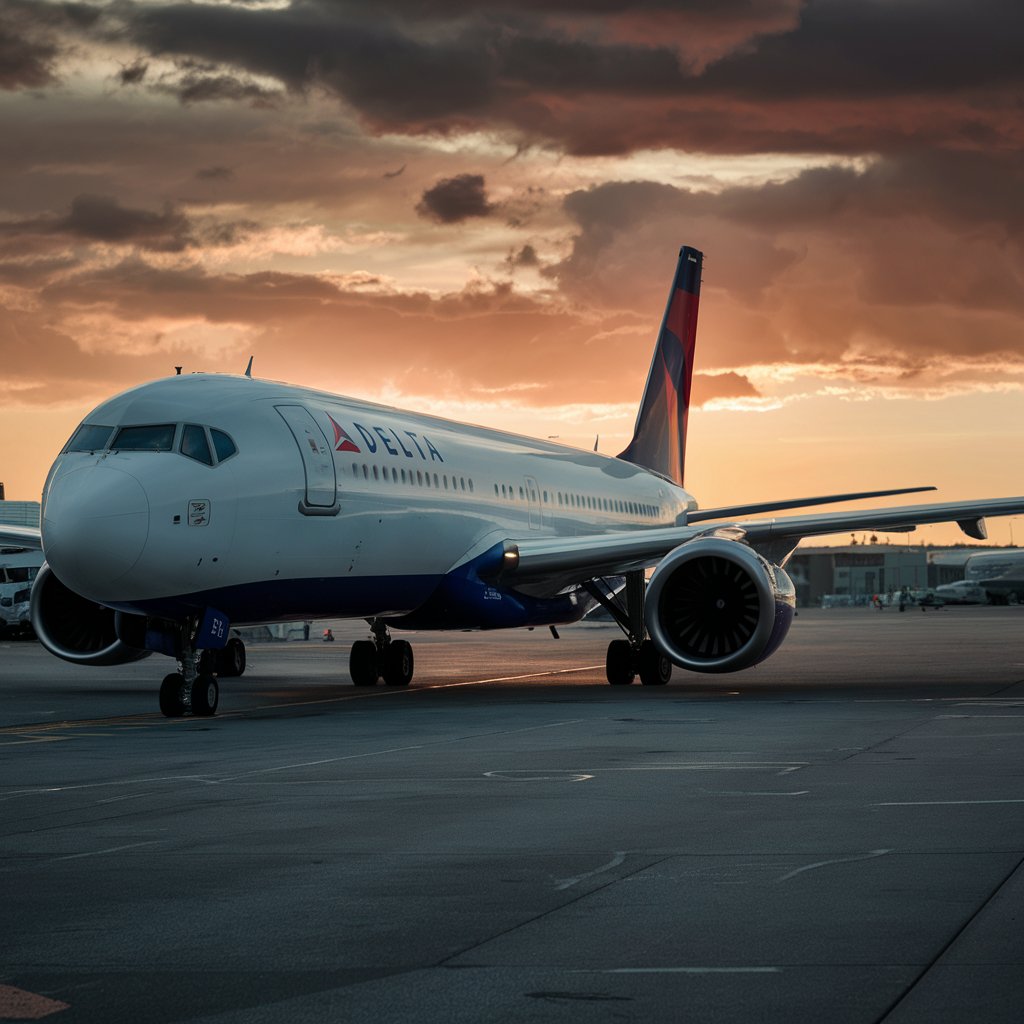
The unexpected diversion of Delta Flight DL275 to LAX has captured widespread attention, raising questions about what caused the incident and how the airline handled the situation. Flight diversions are not uncommon in commercial aviation, but when they involve long-haul international routes, they tend to attract significant public and media interest. Delta Flight DL275, originally scheduled to travel from Tokyo to Seattle, was forced to divert to Los Angeles International Airport (LAX) due to unforeseen circumstances. This event not only disrupted travel plans for hundreds of passengers but also sparked discussions about airline safety protocols, emergency procedures, and customer service standards. This article provides a detailed overview of the Delta Flight DL275 diversion, exploring the reasons behind it, the airline’s response, and the experiences of those on board.
What Happened to Delta Flight DL275?
Delta Flight DL275 diverted to LAX after encountering an in-flight issue that required immediate attention. According to preliminary reports, the aircraft experienced a technical irregularity that made it necessary to land at the nearest suitable airport for safety reasons. The flight, which was en route from Tokyo’s Haneda Airport to Seattle-Tacoma International Airport, was carrying a full load of passengers and crew when the decision was made to divert. Pilots followed standard aviation safety protocols, coordinating with air traffic control to ensure a smooth and secure landing at Los Angeles International Airport. While diversions can cause inconvenience, they are often precautionary measures taken to protect passengers and crew from potential risks.
Reasons Behind the Diversion
The reason Delta Flight DL275 diverted to LAX was reportedly due to a mechanical or technical issue detected mid-flight. In modern aviation, aircraft are equipped with advanced monitoring systems that alert pilots to any irregularities in real time. When such alerts occur, pilots must assess the situation and determine whether it is safe to continue to the destination or if an immediate landing is necessary. In this case, the crew opted for the latter, prioritizing safety above all else. While Delta Airlines has not disclosed the exact nature of the issue, sources indicate that it was not a life-threatening emergency but a precautionary measure to prevent further complications. This decision reflects the airline’s commitment to maintaining the highest safety standards in line with international aviation regulations.
Passenger Experience During the Diversion
Passengers aboard Delta Flight DL275 described the experience as tense but orderly. According to accounts shared on social media, the flight crew remained calm and professional throughout the incident, providing regular updates and reassurance. The cabin atmosphere was understandably anxious as the aircraft began its descent toward Los Angeles, but the landing was smooth and uneventful. Upon arrival at LAX, passengers were met by ground staff and maintenance teams who conducted a thorough inspection of the aircraft. Delta provided accommodations, meal vouchers, and rebooking assistance for affected travelers. Many passengers praised the airline’s handling of the situation, noting that the crew’s professionalism helped ease their concerns during the unexpected diversion.
Delta Airlines’ Official Response
In an official statement, Delta Airlines confirmed that Flight DL275 was diverted to Los Angeles “out of an abundance of caution” following a technical alert received during the flight. The airline emphasized that passenger safety is its top priority and that the crew acted in accordance with established safety procedures. Delta also apologized for the inconvenience caused to travelers and assured that all necessary measures were being taken to investigate the cause of the issue. The company’s maintenance team conducted a detailed inspection of the aircraft before clearing it for future operations. Delta’s swift and transparent response helped maintain public confidence in its safety protocols and operational reliability.
The Role of LAX in Emergency Diversions
Los Angeles International Airport (LAX) is one of the busiest and most well-equipped airports in the world, making it a frequent destination for diverted flights. Its strategic location on the U.S. West Coast and extensive infrastructure allow it to handle emergency landings efficiently. When Delta Flight DL275 diverted to LAX, the airport’s emergency response teams were immediately activated to ensure a safe landing and provide necessary support. LAX’s ability to accommodate large international aircraft and coordinate with multiple agencies highlights its importance as a critical hub in global aviation safety. The successful handling of the DL275 diversion demonstrates the effectiveness of LAX’s emergency preparedness and coordination with airlines.
Safety Protocols and Industry Standards
The diversion of Delta Flight DL275 underscores the importance of strict safety protocols in commercial aviation. Airlines like Delta operate under rigorous international standards set by organizations such as the Federal Aviation Administration (FAA) and the International Civil Aviation Organization (ICAO). These standards require pilots and crew to undergo continuous training to handle in-flight emergencies and make quick, informed decisions. Diversions are part of these safety measures, ensuring that any potential risk is mitigated before it escalates. The DL275 incident serves as a reminder that while air travel is statistically the safest mode of transportation, constant vigilance and adherence to safety procedures remain essential.
Passenger Rights and Compensation
When a flight like Delta DL275 is diverted, passengers are entitled to certain rights and forms of assistance under airline policies and international regulations. Delta Airlines provided hotel accommodations, meal vouchers, and rebooking options for passengers affected by the diversion. In some cases, travelers may also be eligible for compensation depending on the cause of the delay and the duration of the disruption. The airline’s customer service teams worked around the clock to ensure that all passengers reached their final destinations as quickly and comfortably as possible. This proactive approach reflects Delta’s commitment to maintaining customer satisfaction even in challenging circumstances.
Public and Media Reaction
The public reaction to the Delta Flight DL275 diversion was largely positive, with many praising the airline’s professionalism and transparency. Aviation enthusiasts and experts commended the crew for making a prudent decision that prioritized safety over schedule. Media outlets covered the story extensively, emphasizing the smooth handling of the situation and the absence of injuries or major disruptions. Social media platforms were filled with messages of relief from passengers and appreciation for the crew’s calm demeanor. The incident also sparked discussions about the importance of communication during in-flight emergencies and how airlines can continue to improve their response strategies.
Conclusion
The Delta Flight DL275 diversion to LAX serves as a powerful reminder of the aviation industry’s unwavering commitment to safety and professionalism. While unexpected diversions can cause inconvenience, they are often necessary to ensure the well-being of passengers and crew. Delta Airlines’ swift response, transparent communication, and effective coordination with LAX authorities exemplify best practices in crisis management. The incident also highlights the importance of preparedness, training, and trust between airlines and travelers. As investigations conclude and normal operations resume, the DL275 case will stand as an example of how modern aviation continues to prioritize safety above all else.
Frequently Asked Questions (FAQ)
1. Why was Delta Flight DL275 diverted to LAX?
The flight was diverted due to a technical issue detected mid-flight, prompting the crew to land at the nearest suitable airport as a precautionary measure.
2. Was anyone injured during the diversion?
No injuries were reported. The landing at Los Angeles International Airport was smooth and handled safely by the flight crew.
3. What was the original route of Delta Flight DL275?
The flight was originally scheduled to travel from Tokyo’s Haneda Airport to Seattle-Tacoma International Airport.
4. How did Delta Airlines assist passengers after the diversion?
Delta provided hotel accommodations, meal vouchers, and rebooking assistance to ensure passengers reached their destinations comfortably.
5. What happens when a flight is diverted for technical reasons?
When a technical issue arises, pilots assess the situation and may choose to land at the nearest suitable airport to ensure safety.
6. How common are flight diversions like this?
Flight diversions are relatively rare but not unusual. They are standard safety procedures used to address unexpected technical or medical issues.
7. What can passengers learn from the Delta Flight DL275 incident?
The incident highlights the importance of remaining calm during in-flight emergencies and trusting the crew’s training and expertise to ensure safety.